Makar Sankranti & Tusu Festival 2026: The Heartbeat of Eastern India
🌾 Makar Sankranti & Tusu Festival 2026: The Heartbeat of Eastern India 🌾
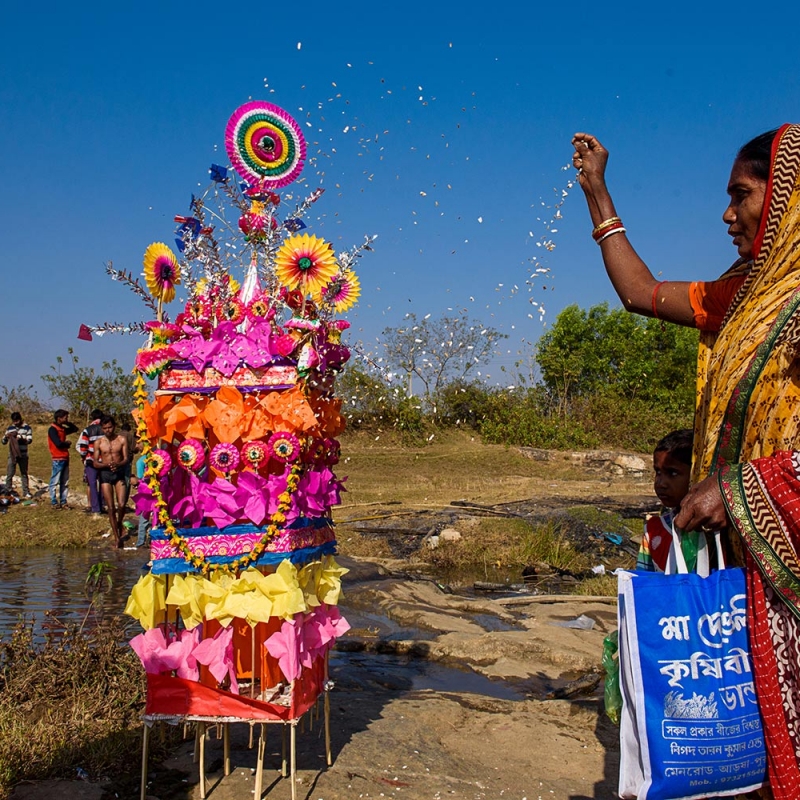


When the Sun Turns North and Villages Come Alive
Every January, as the winter mist begins to lift from the red soil of Jharkhand and the forested landscapes of Purulia, Bankura, and Jhargram, the rhythm of village life changes. The Sun’s movement into Makara Rashi marks Makar Sankranti, but in this region, the festival carries a deeper, more intimate identity—Tusu Parab.
In 2026, this celebration once again binds together land, labor, and living traditions that have survived generations.
🌼 What Makes Tusu Parab Special in This Region?
Unlike grand temple festivals, Tusu Parab is rooted in homes, fields, and village lanes. It is not governed by scriptures but by songs, seasons, and shared memory.
Tusu is not worshipped inside temples. She lives in:
Handcrafted clay idols
Folk songs sung by young girls
The collective hope of farming families
Tusu represents harvest abundance, feminine energy, and community well-being.
🕰️ When Tradition Meets Time (2026 Calendar)
Tusu Gaan (Songs): Begin in Poush month (December 2025)
Grand Culmination: 14 January 2026 – Makar Sankranti
Idol Immersion & Melas: 14–15 January 2026
As dawn breaks on Sankranti morning, village pathways fill with processions, drumbeats, and laughter.
📍 Where the Festival Truly Lives
Tusu Parab flourishes in:
Jharkhand: Ranchi, Khunti, Tamar, Torpa, Singhbhum belt
West Bengal: Purulia, Bankura, Jhargram, Paschim Medinipur
Border villages of Odisha and Bihar
Rivers, ponds, and open grounds turn into cultural arenas where faith meets festivity.
👩🌾 Who Keeps the Tradition Alive?
The soul of Tusu Parab belongs to:
Unmarried village girls, who compose and sing Tusu songs
Farmers, celebrating the end of the agricultural cycle
Tribal communities—Munda, Kurmi, Ho, Santhal
Elders who pass on oral traditions
Here, culture is not performed—it is lived.
🌞 Why Tusu Parab Still Matters in 2026
In an age of digital festivals and urban celebrations, Tusu Parab stands as:
A thanksgiving to nature and the Sun
A symbol of eco-conscious living
A platform for women and youth participation
A reminder that prosperity is collective, not individual
The festival teaches that progress and tradition can walk together.
🎶 How Villages Celebrate Sankranti with Tusu
Nightly Tusu songs echo through courtyards
Clay idols are decorated with natural colors, rice, flowers
Community melas showcase folk dance, local crafts, and food
Ritual immersion of Tusu idols in water bodies
Homes prepare chuda, til-gud, pitha, khichdi
Friendly competitions, fairs, and social gatherings
No loudspeakers. No spectacle. Just shared joy.
🌱 A Living Heritage, Not a Forgotten Past
For the people of Jharkhand and western Bengal, Makar Sankranti is not complete without Tusu. It is a celebration that does not seek attention—but deserves it.
As 2026 unfolds, Tusu Parab quietly reminds us that India’s strongest cultural roots grow not in cities, but in villages where songs still rise with the sun.
✍️ Final Thought
If India is a civilization, Tusu Parab is one of its gentle heartbeats—soft, steady, and sustaining life itself.
Comments
Post a Comment
"Thank you for seeking advice on your career journey! Our team is dedicated to providing personalized guidance on education and success. Please share your specific questions or concerns, and we'll assist you in navigating the path to a fulfilling and successful career."