Makar Sankranti & Tusu Festival 2026: A Celebration of Harvest, Hope, and Heritage
Makar Sankranti & Tusu Festival 2026: A Celebration of Harvest, Hope, and Heritage

Introduction
Makar Sankranti is one of India’s most ancient and widely celebrated festivals, marking the Sun’s transition into the zodiac sign Makara (Capricorn). Observed in mid-January every year, it symbolizes the end of winter and the beginning of longer, warmer days.
In eastern India—particularly Jharkhand, West Bengal, Odisha, and parts of Bihar—this auspicious occasion blends beautifully with the Tusu Festival (Tusu Parab), a vibrant folk celebration rooted in agrarian life. In 2026, Makar Sankranti and Tusu Festival once again come together as a powerful expression of gratitude, cultural identity, and rural unity.
The 5W and 1H of Makar Sankranti & Tusu Festival (2026)
1. WHAT – What is Makar Sankranti and Tusu Festival?
Makar Sankranti is a solar festival celebrating the northward journey (Uttarayan) of the Sun, associated with prosperity, renewal, and harvest.
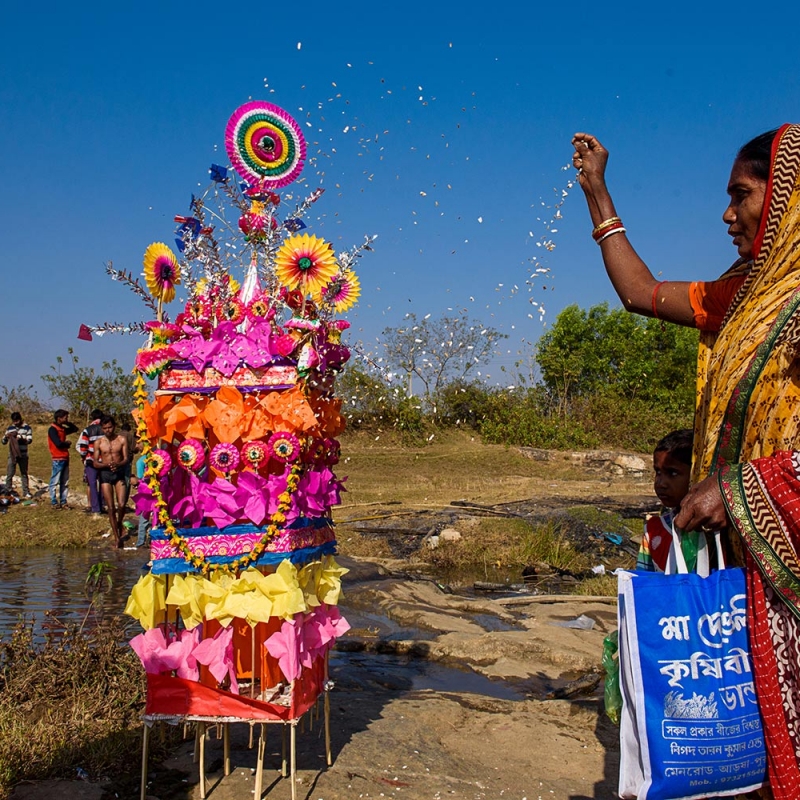
Tusu Festival is a traditional harvest festival of tribal and rural communities, centered around Goddess Tusu, symbolizing fertility, abundance, and the collective hopes of young girls and farming families.
Together, they celebrate:
Completion of the agricultural cycle
Gratitude to nature and the Sun
Community bonding through folk rituals, songs, and fairs
2. WHEN – When are they celebrated in 2026?
Makar Sankranti: 14 January 2026
Tusu Parab: Culminates on Makar Sankranti, though preparations and rituals begin from Poush month (December)
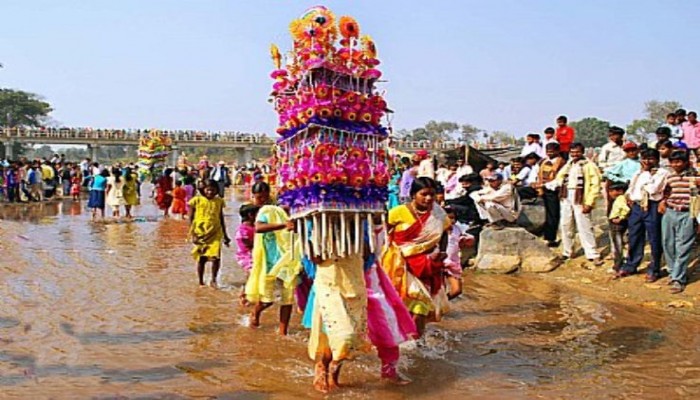
The immersion of Tusu idols and grand gatherings take place mainly on 14–15 January 2026.
3. WHERE – Where are these festivals observed?
Makar Sankranti: Celebrated across India under various names—Pongal, Lohri, Magh Bihu, Uttarayan
Tusu Festival: Predominantly in
Jharkhand (Ranchi, Khunti, Singhbhum, Dhanbad)
West Bengal (Purulia, Bankura, Jhargram)
Border regions of Odisha and Bihar
Rivers, ponds, village crossroads, and fairgrounds become the focal points of celebration.
4. WHO – Who celebrates these festivals?
Farmers and agrarian communities
Tribal groups such as Munda, Kurmi, Ho, Santhal
Young unmarried girls (central to Tusu rituals)
Folk artists, villagers, and local communities
The festivals are community-centric, cutting across age, caste, and economic divisions.
5. WHY – Why are these festivals important?
To thank the Sun God and nature for a successful harvest
To pray for prosperity, health, and good rainfall
To preserve folk traditions, songs, and indigenous beliefs
To strengthen social harmony and cultural continuity
In 2026, amid rapid modernization, these festivals serve as a reminder of India’s deep ecological and cultural roots.
6. HOW – How are Makar Sankranti and Tusu Festival celebrated?
Preparation of Tusu idols using clay, straw, and natural colors
Tusu songs sung nightly by groups of girls throughout Poush month
Community fairs (melas) with folk dances, local crafts, and traditional food
Ritual immersion of Tusu idols in rivers or ponds on Makar Sankranti
Preparation of seasonal delicacies like chuda, til-gud, pitha, and khichdi
Kite flying and bonfires in some regions
The celebrations blend devotion, joy, and folk aesthetics.
Cultural and Social Significance in 2026
In 2026, Makar Sankranti and Tusu Festival stand not just as religious events but as living cultural classrooms—teaching sustainability, gender participation (through the role of young girls), and respect for nature. They highlight how festivals can be inclusive, eco-conscious, and deeply meaningful without extravagance.
Conclusion
Makar Sankranti and the Tusu Festival together form a soulful celebration of Sun, soil, and society. As India advances technologically in 2026, these festivals remind us that true progress lies in honoring our roots, respecting nature, and celebrating togetherness.
They are not merely festivals—they are expressions of gratitude, resilience, and cultural pride passed down through generations.
Comments
Post a Comment
"Thank you for seeking advice on your career journey! Our team is dedicated to providing personalized guidance on education and success. Please share your specific questions or concerns, and we'll assist you in navigating the path to a fulfilling and successful career."